
Clinical value:
1. E7 protein is direct evidence of cervical cancer carcinogenesis, so a positive E7 protein test can effectively indicate the risk of cervical cancer.
2. The expression of E7 protein precedes changes in cellular morphology, so combining E7 protein detection with cytology/HPV screening can effectively improve the accuracy and efficiency of cervical cancer screening, thereby avoiding overdiagnosis in ASC-US and LSIL women.
3. During transient infection, HPV exists in a free state, and the E7 protein is not expressed. During persistent infection, viral DNA integrates into the host cell genome, and the E6/E7 oncogenes are persistently highly expressed, driving malignant transformation of the cell. Therefore, E7 protein detection can avoid overdiagnosis and treatment caused by transient HPV infection, enabling precise triage.
4. E7 protein can serve as a prognostic indicator for abnormal screening results, colposcopy, and post-treatment outcomes.
5. Compared to cell morphology testing, the results of E7 protein immunohistochemical staining are more intuitive and clear, making it easier for clinicians to interpret the results.
6. Currently, expert consensus and guidelines do not mention the detection of E7 protein in cervical precancerous lesions. However, with the accumulation of clinical research data on E7 protein, it is expected that the application of E7 protein detection will be added to expert consensus and guidelines in the future.
Product Specifications
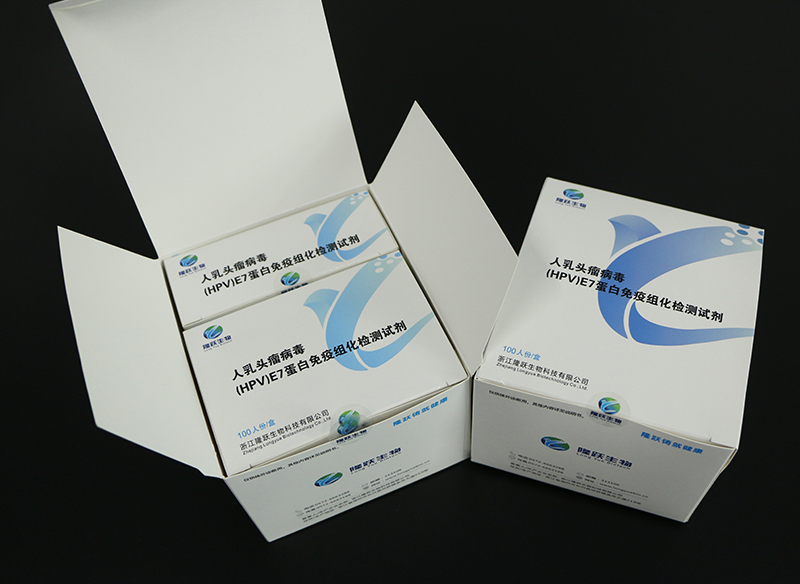
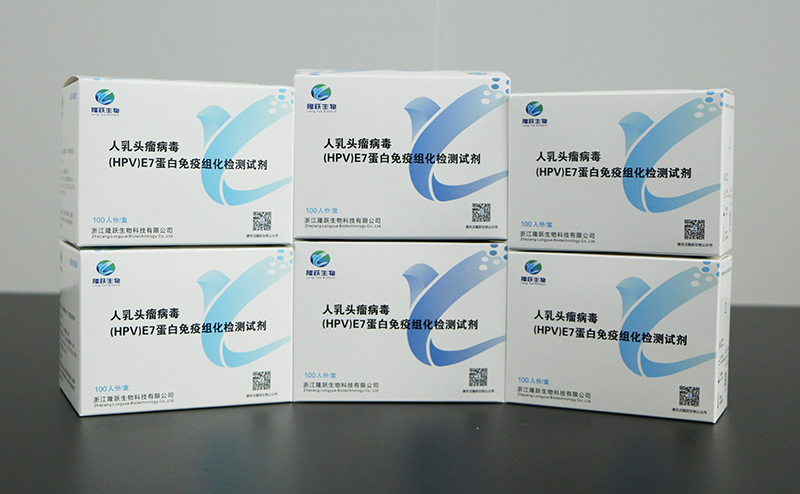
Human Papillomavirus (HPV) E7 Protein Antibody Reagent - Immunohistochemistry
Main Biomarker: AFT-002 E7 Affibody
Sample Type: Cervical tissue, cervical exfoliated cells
Detection Method: Immunohistochemistry
Specifications: 3ml/vial (20 samples), 15ml/vial (100 samples)
Supporting instruments:
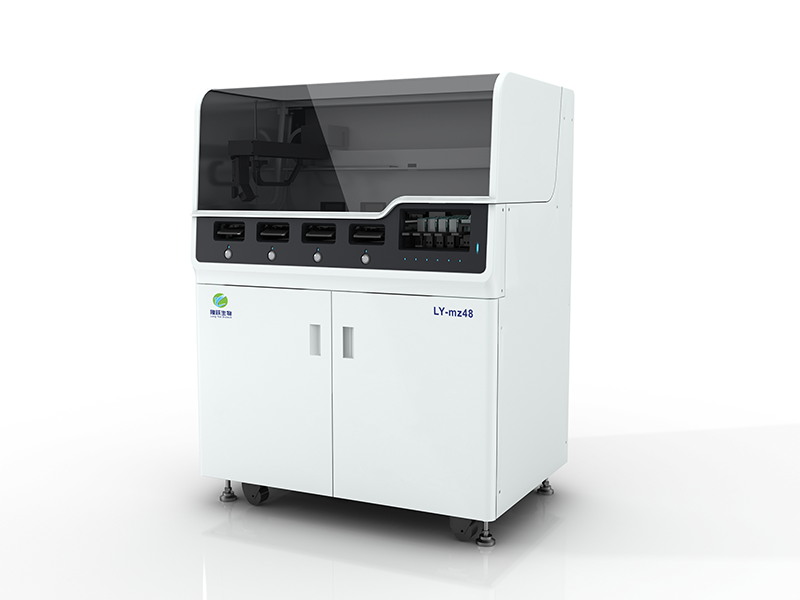
Ly-mz36
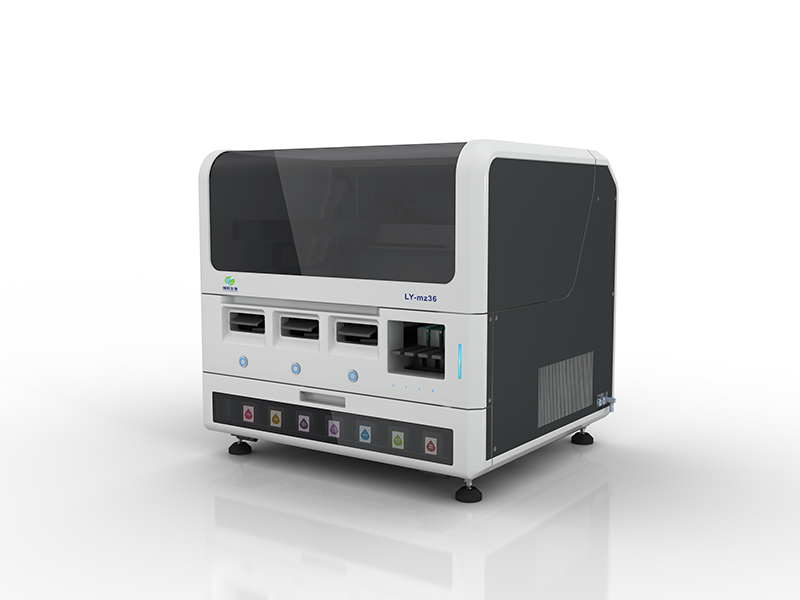
Ly-m48